
Small Package, Big Responsibility: The Power of Pharma Packaging
When it comes to pharmaceuticals, the packaging may look small, a blister strip, a pill bottle, a tiny vial, but the responsibility it carries is enormous. Pharma packaging is not just a container. It protects life-saving medicine, ensures patient safety, communicates critical information, and builds trust between brands and consumers.
In today’s healthcare industry, effective medicine packaging is not optional, it is essential. In this guide, we’ll explore why pharma packaging design matters, its key elements, regulatory requirements, and the future of smart and sustainable pharmaceutical packaging.
What Is Pharmaceutical Packaging Design?
Pharmaceutical packaging design refers to the development of containers, labeling systems, and protective materials used to safely store and distribute medicines. This includes primary packaging such as blister packs and bottles that come into direct contact with the drug, as well as secondary packaging like outer cartons that provide additional protection and branding.
The core objective of medicine packaging design is to maintain the integrity, effectiveness, and safety of the drug from manufacturing to consumption.

The Power of Clear Medicine Label Design
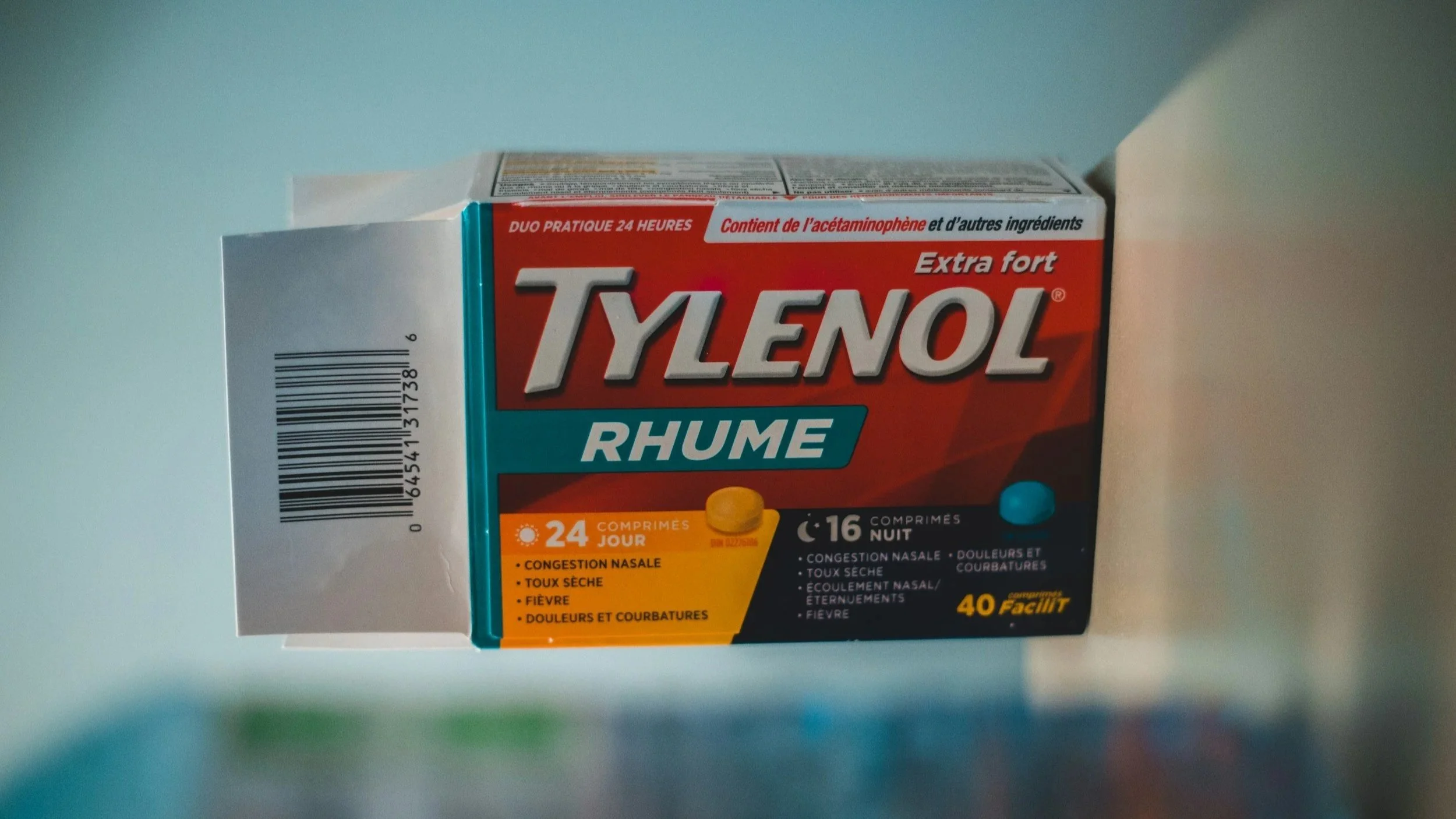
The label is one of the most important components of pharmaceutical packaging. It must clearly present the brand and generic drug name, dosage strength, directions for use, active ingredients, warnings, storage conditions, expiry date, and batch number.
Strong label design relies on clarity and structure rather than decorative elements. Important details must stand out instantly, especially in high-stress situations where patients or caregivers need quick guidance. In pharmaceutical packaging, readability is not just a design principle, it is a matter of safety.
Preventing Medication Errors Through Smart Design
Medication errors remain a serious global concern, and packaging design plays a critical role in minimizing them. Confusion between similar drug names, unclear dosage instructions, or poorly structured labels can lead to incorrect usage or accidental overdose.
Effective pharma packaging design emphasizes visual hierarchy, clear typography, proper spacing, and high-contrast elements to make critical information immediately noticeable. When patients can quickly understand dosage instructions and warnings, the risk of misuse is significantly reduced.
Innovation in Pharma Packaging Design
The pharmaceutical industry is embracing technological advancements to enhance packaging performance. Smart pharmaceutical packaging now incorporates QR codes and NFC technology that allow patients to access digital instructions, verify authenticity, and receive additional safety information. Track-and-trace systems also help combat counterfeit medicines, a growing global issue.
At the same time, sustainability is becoming a priority. Pharmaceutical companies are exploring recyclable materials, reduced plastic usage, and eco-friendly secondary packaging solutions while ensuring that drug safety and stability remain uncompromised.
Conclusion: Why Small Packaging Holds Big Responsibility
Pharmaceutical packaging design is far more than visual presentation. It safeguards drug effectiveness, communicates life-saving information, ensures regulatory compliance, and strengthens patient trust. Every design choice, from material selection to label typography, carries real-world consequences.
Small in size yet massive in responsibility, pharma packaging serves as a silent guardian of public health. As healthcare continues to evolve, pharmaceutical packaging will become smarter, safer, and more sustainable, reinforcing its critical role in the medical ecosystem.